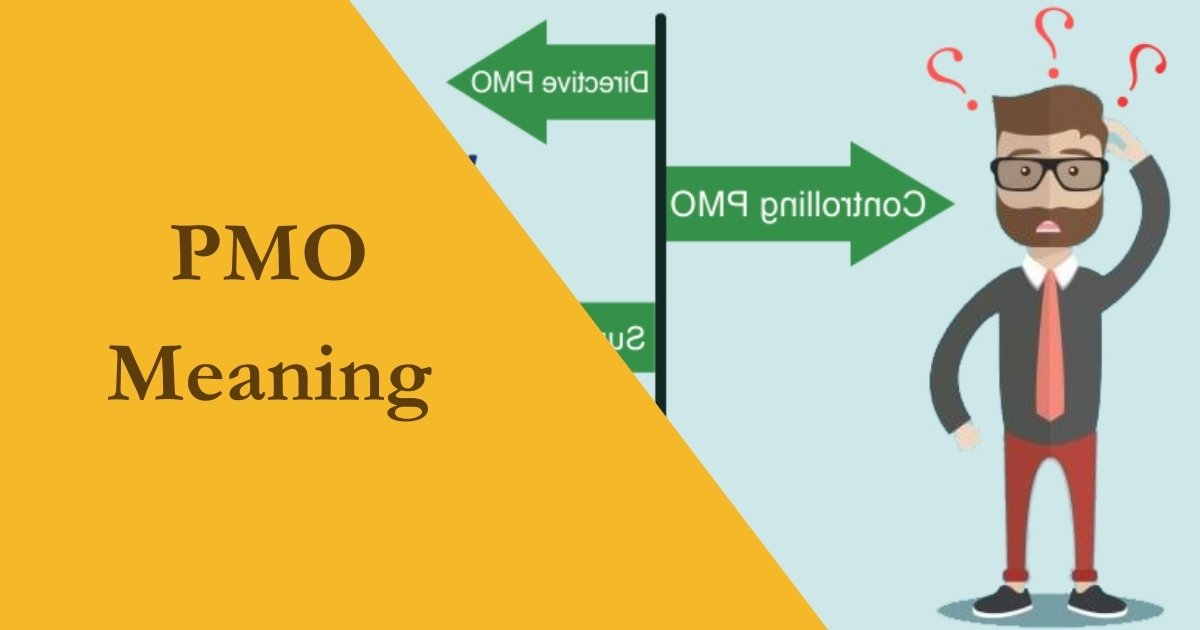
PMO Meaning: What It Really Stands For in Text & Conversation
The concept of a PMO is no longer confined to traditional definitions; it has transformed significantly as we step into 2025. Recognizing the PMO full form in chat is essential for professionals aiming to stay ahead in their fields.
In this article, we will explore the multifaceted nature of PMO, highlighting its importance in effective communication and project success. Prepare to gain practical knowledge that will refine your approach to teamwork and project management in the digital age.
Read More: Traveling Mercies: The Best Prayers
PMO Meaning?
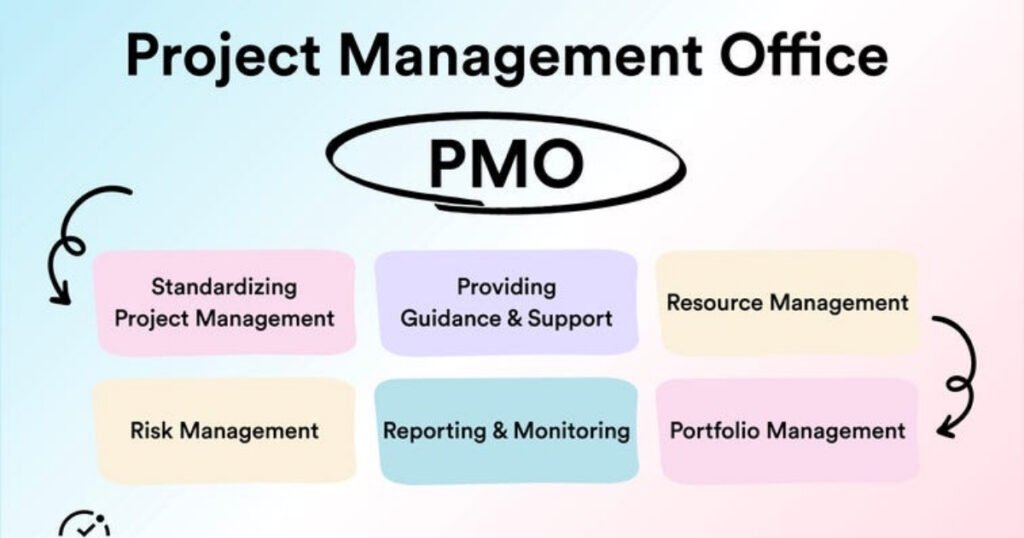
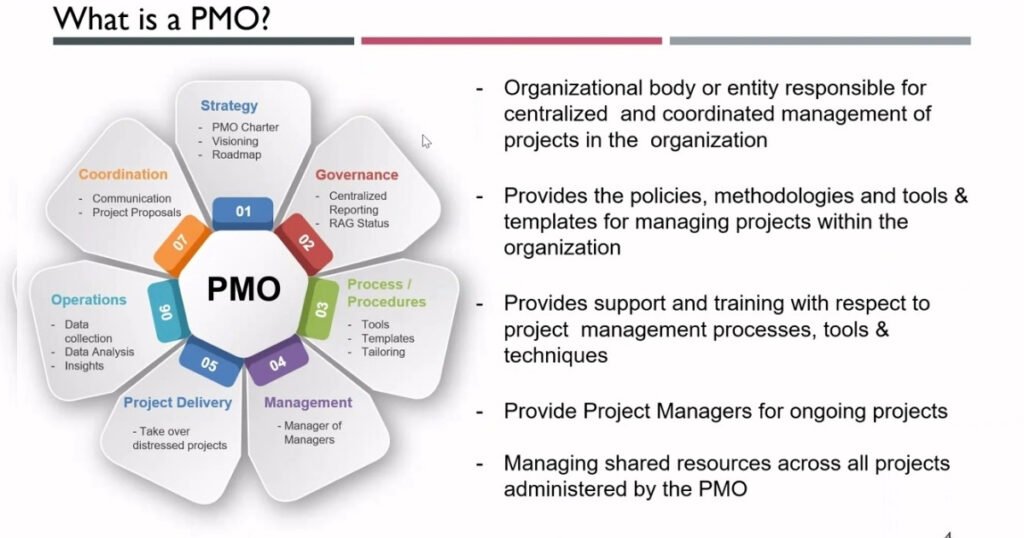
The term PMO, or Project Management Office, transcends mere definition; it embodies a strategic entity that optimizes project performance across organizations. In essence, a PMO serves as the backbone of project governance, ensuring that initiatives align with overarching business goals.
By establishing standardized processes and best practices, the PMO not only enhances efficiency but also elevates the success rate of projects. This centralization of knowledge fosters a culture of continuous improvement, enabling teams to learn from past experiences and innovate.
Primary Meaning
When you hear “PMO” in a conversation, it embodies the essence of connection and community in today’s digital age. It’s a call to action, an invitation for someone to bring you into their circle, whether that’s through a hot new restaurant recommendation or an introduction to a promising contact.
This simple phrase encapsulates the desire for engagement, showcasing how social dynamics have shifted towards collaborative experiences. Using “PMO” signifies your openness to opportunities, reflecting a mindset that values networking and shared experiences. It’s about tapping into the collective knowledge of your peers, seeking out insights that can enrich your life or enhance your pursuits.
Alternative PMO Meaning (Less Common)
This approach shifts the focus from a one-size-fits-all curriculum to a more nuanced strategy that recognizes diverse learning styles and paces, fostering an environment where every student can thrive.
| PMO Variation | Full Form | Where You’ll See It |
| Project Management Office | Corporate / Business | A team or department that sets standards for project execution. |
| Pissed Me Off | Informal / Text Slang | Expresses annoyance or anger. “That’s really PMO today.” |
| Please Move On | Forums / Online Groups | A polite nudge to change the subject. |
| Prime Minister’s Office | Politics / Government | Often used in political reporting and official statements. |
PMO Meaning in Texting & Online Slang (2025 Style)
In the evolving landscape of digital communication, PMO in texting and online slang has transformed into a cultural phenomenon that reflects not just language but also social dynamics. By 2025, these acronyms will have become the shorthand for emotional resonance, allowing users to express complex feelings with just three letters. PMO, “Pissed My Pants from Laughter“, is no longer merely a reaction; it signifies a shared experience, a communal laugh that transcends geographical boundaries.
The rise of PMO has fostered a new wave of creativity in online interactions. Meme culture has embraced this acronym, embedding it within humorous visuals that amplify its impact. This evolution signifies not only a shift in language but also an adaptation to the rapid pace of online exchanges where brevity reigns supreme.
Why Tone and Context Matter with PMO
A positive tone fosters an environment where team members feel valued, encouraging open communication and collaboration. Conversely, a negative tone can stifle creativity and lead to misunderstandings, ultimately derailing project objectives. PMO leaders need to be mindful of their communication style, as this directly influences motivation and productivity.
Context plays an equally critical role in the effectiveness of PMOs. Understanding the unique circumstances surrounding each project, such as organizational culture, team capabilities, and external pressures, enables leaders to tailor their approach accordingly. For instance, a directive tone might be effective in a high-stakes situation requiring swift decision-making, while a more collaborative tone may be beneficial during brainstorming sessions.
Here are 11 alternatives to “PMO” that vary by tone and context:
1. Could you share that with me?
Tone: Polite & professional
Perfect for work emails or LinkedIn messages.
2. Mind putting me in touch?
Tone: Friendly & casual
Ideal for introductions or warm leads.
3. Hook me up with that!
Tone: Very casual
Use with friends only, it’s playful and informal.
4. Let me in on that.
Tone: Curious & light
Sounds natural in group chats or collaborative settings.
5. Can I be part of that?
Tone: Open & inclusive
Good for group invites or activities.
6. Would you mind including me?
Tone: Respectful & polite
Great for asking to join in on plans or team tasks.
7. I’d appreciate a referral/introduction.
Tone: Professional
Works well in networking or career-related conversations.
8. Could you loop me in?
Tone: Corporate casual
Common in workplace communication or email threads.
9. Can you point me in the right direction?
Tone: Curious & humble
Nice for asking about opportunities or resources.
10. Let me know how I can get involved.
Tone: Proactive & collaborative
Ideal for group efforts, projects, or events.
11. Mind sending that my way?
Tone: Chill & direct
Good for quick, friendly requests.
How to Choose the Best Phrase
Choosing the best phrase requires a blend of intuition and strategic thinking. Start by considering your audience; the right phrase resonates with their emotions and experiences. Think about the context in which your phrase will be used, whether it’s for marketing, personal expression, or storytelling, and let that guide your selection. Utilize vivid imagery and strong verbs to evoke feelings, making your phrase not just a collection of words, but an impactful statement that lingers in the mind.
A concise phrase often carries more weight than a lengthy one, cutting through noise and ensuring clarity. Experiment with rhythm and sound; phrases that flow effortlessly are more likely to stick. Don’t shy away from originality; a unique twist on familiar expressions can spark interest and engagement.
Why Clarity Matters in Digital Communication
Messages often compete for attention amidst a sea of notifications, emails, and social media updates. When your communication is clear, it cuts through the noise, ensuring that your audience not only receives your message but understands it. This understanding fosters engagement, builds trust, and encourages action, whether you’re aiming for a response, a sale, or collaboration.
Clarity minimizes the risk of misinterpretation. In a medium where tone and body language are absent, words alone must convey intent and emotion. Ambiguity can lead to confusion, frustration, or even conflict, derailing conversations and damaging relationships.
Read More: Best DPMO Meaning in text: Its Tone and Common Acronym
Conclusion
To sum up, recognizing that PMO stands for Project Management Office highlights the importance of this entity in the realm of project execution and strategy. A PMO Meaning provides essential support, governance, and oversight to ensure that projects are delivered on time and within budget.
By gaining insights into the workings of a PMO, you empower yourself to leverage its benefits in your own projects. This knowledge not only enhances your expertise but also positions you as a valuable asset within your organization.