

Amish Oil Change Meaning: What It Means & Why People Use The Term In 2025
The term “Amish Oil Change” has captured attention and curiosity online, often sparking questions about its meaning and relevance in 2025. Many people stumble upon this phrase in various contexts, from social media posts to casual conversations, and wonder what it truly signifies.
This article will explore its origins, interpretations, and the reasons why it remains a topic of interest today, illustrating how language evolves and adapts within different cultural frameworks.
What Is an Amish Oil Change?
Here you will get to know about its meaning:
Literal Meaning
This phrase has a literal interpretation that is closely tied to the unique lifestyle of the Amish community, which notably avoids modern vehicles. Instead of engaging in traditional oil change for cars, they perform maintenance on their distinct forms of transportation and machinery. This includes:
- Horse-drawn buggies require regular application of axle grease to ensure smooth movement and prevent wear and tear on the wheels.
- Farm equipment and non-motorized tools that are essential for their agricultural lifestyle, necessitate different types of maintenance that don’t involve oil changes.
- Diesel generators are used in some Amish communities for limited electricity, which also requires periodic upkeep to function effectively.
This understanding of it is rooted in practicality, as the Amish prioritize maintaining their tools and transportation methods in ways that align with their values and lifestyle.
Humorous & Slang Meaning
It often takes on a humorous connotation, becoming a slang term that implies a variety of meanings. It is frequently used to convey:
- The notion of lubricating a buggy’s wooden wheels instead of changing motor oil, highlights a simplistic, old-fashioned approach to solving problems.
- A broader commentary on doing things in an overly simple or traditional manner, which can be both endearing and amusing.
- A sarcastic way to describe skipping an oil change altogether, suggesting a lack of attention to modern car maintenance.
The Amish and Technology: Why Traditional Oil Changes Don’t Apply
Let’s know about why this changes doesn’t apply:
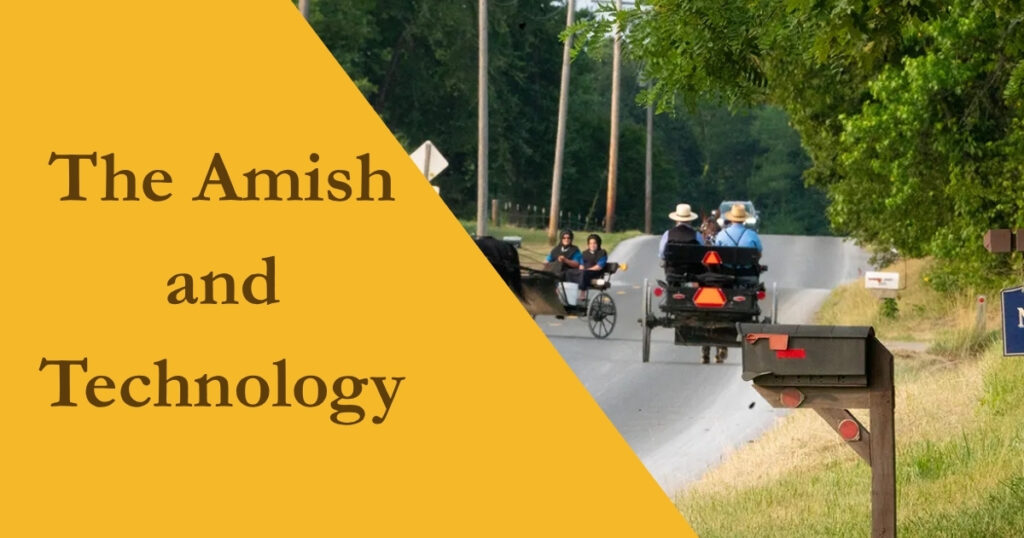
Do the Amish Use Vehicles?
Its community’s decision to avoid cars is deeply rooted in their cultural values and strict rules regarding technology. They rely instead on various forms of transportation that require regular maintenance, including:
- Horse-drawn buggies require consistent application of axle grease and wheel lubrication to function efficiently.
- Wagons that require oiling of wooden wheels to ensure durability and performance during travel.
- Bicycles and scooters that necessitate chain oiling and tire care to maintain usability.
While it do not engage in modern oil changes, they understand the importance of regular maintenance. Their reliance on traditional methods of transportation reflects their commitment to a lifestyle that embraces simplicity and community over the complexities of modern technology.
Also Read: What Does PTSO Mean | Meaning Explained Clearly 2025
Why Do the Amish Avoid Cars?
The avoidance of cars among it is a conscious choice that reflects their core values:
- Community over Individualism: Cars are often seen as symbols of personal freedom and individualism, which can detract from the communal values that the Amish hold dear.
- Simplicity vs. Modern Complexity: The Amish believe that modern technology can lead to distractions and complications that disrupt their way of life. By rejecting cars, they maintain a simpler, more focused existence.
- Self-Sufficiency: The Amish prioritize self-sufficiency, aiming to minimize reliance on outside resources and maintain their independence through traditional methods of transportation.
Transportation within the Amish community typically involves horses and buggies, reinforcing their values of community, simplicity, and self-reliance.
Read More: 45+ Glizzy Meaning Explained For Beginners – 2025
How the Amish Maintain Their Equipment Without Oil Changes
They maintain their equipment without oil changes by:
Buggy Maintenance & Lubrication
The maintenance of Amish buggies requires specific methods that differ significantly from modern vehicle care. Amish buggies feature wooden wheels and metal axles, demanding unique upkeep to ensure longevity and effective performance. This upkeep includes:
- Applying axle grease to prevent wear and prolong the life of the wheels and axles.
- Using oils to treat wooden wheels helps prevent cracking and damage from environmental exposure.
- Conditioning leather harnesses for horses, ensuring they remain durable and functional for daily use.
These traditional practices effectively replace the need for modern oil changes, emphasizing the Amish community’s resourcefulness and commitment to their lifestyle.
Farm Equipment & Tool Lubrication
In addition to maintaining their buggies, the Amish community also relies on a variety of farming tools that require regular maintenance. For example:
| Equipment | Lubrication Method |
|---|---|
| Horse-drawn plows | Greased joints and axles |
| Hand tools | Oiled metal parts to prevent rust |
| Water pumps | Hand-pumped lubrication systems |
These consistent maintenance practices are essential for ensuring that their equipment remains functional and reliable. While the Amish do not utilize oil change services, their dedication to mechanical upkeep reflects their understanding of the importance of maintaining their tools and equipment.
Possible Origins of the Term “Amish Oil Change”
Get to know about it from here:
Where Did This Phrase Come From?
The exact origin of it is somewhat obscure and lacks official documentation. However, various theories suggest that it likely stems from:
- Online Humor and Memes: The phrase gained traction through jokes and memes that playfully comment on simple living and the Amish lifestyle.
- Rural Mechanic Slang: It may have emerged in rural communities where mechanics used it sarcastically to describe people who neglect necessary vehicle maintenance.
- Workshops and Farming Communities: Discussions surrounding equipment maintenance may have contributed to the phrase’s usage, particularly in contexts where greasing equipment was preferred over changing motor oil.
Modern Usage & Popularity
Today, it has transcended its origins, appearing in a variety of modern contexts. You can find it in:
- Internet Forums and Social Media: The phrase often pops up in discussions about maintenance, humor, and lifestyle choices.
- Comedy Acts and Satirical Content: Comedians and content creators frequently reference the term in routines that explore themes of simplicity and modern life.
- Conversations in Repair Shops: The term has made its way into the lexicon of those who work in mechanics, serving as a humorous reference point in discussions about maintenance.
Common Misconceptions About Amish Oil Changes
There are many misconceptions about it:

- Do the Amish Ever Use Oil?
Yes, while they do not change car oil, the Amish use lubricants for various purposes, including maintaining buggies, farm tools, and limited diesel engines. Their mechanical practices reflect a pragmatic approach to maintenance. - Do the Amish Repair Modern Vehicles?
Some Amish and Mennonite mechanics operate shops where they repair non-Amish vehicles, providing valuable services to the surrounding community. However, they do not personally own or drive these vehicles, adhering to their lifestyle choices. - Do Amish People Have Any Modern Machines?
While the Amish community generally avoids cars, they do utilize certain technologies that align with their values. For example, some communities employ diesel engines for farming and may use solar energy or battery-operated tools, demonstrating a selective approach to technology.
Why the Term “Amish Oil Change” Stuck Around
This phrase remains relevant and widely used today due to its humorous connotation and its ability to illustrate the Amish lifestyle. It serves as a quirky reference to their traditional maintenance practices while highlighting the contrasts between modern conveniences and simpler, more traditional methods.
Conclusion
The term “Amish oil change” may have started as a humorous expression, but it encapsulates real aspects of Amish life and their maintenance practices. The Amish maintain their buggies While they don’t engage in oil changes like car owners, tools, and farming equipment through traditional lubrication methods.
FAQs
What Does Oil Mean in Slang?
In slang, it refers to persuading someone deceitfully or bribing them.
Are Amish Oil Change Practices Sustainable?
It practices focus on resource efficiency and sustainability. They prioritize eco-friendly, durable products and aim to minimize waste during vehicle maintenance.
How Long Does an Amish Oil Change Take?
Its change usually takes 30-45 minutes, depending on the vehicle’s make and model.